Classroom Teacher to MSP President (Annette Slavik at Prodigy Complete IT Solutions)
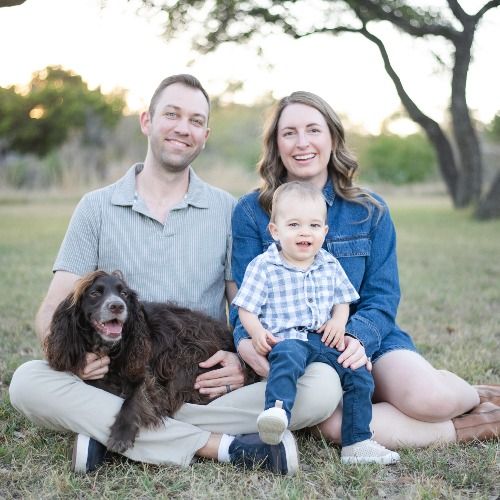
In this episode of the MSP Owner Podcast, Ben Tiggelaar sits down with Annette Slavik, President of Prodigy Complete IT Solutions in Tampa Bay.
Annette’s path into IT wasn’t typical. She started her career as an elementary school teacher before stepping into managed IT services — and today she runs a ~$950K MSP supporting roughly 750 endpoints across a focused client base.
In this conversation, Annette shares:
• What it’s like building an MSP without a traditional technical background
• Why referrals alone aren’t a real growth strategy
• The shift from reactive word-of-mouth to intentional marketing
• Lessons from operating in a male-dominated industry
• How education, positioning, and visibility impact MSP growth
• Pricing, peer groups, and pushing past comfort zones as an owner
This episode is especially relevant for MSP owners in the $500K–$5M range who are thinking seriously about growth, positioning, and long-term strategy.
If you're building or scaling a managed service provider, this conversation offers a practical look at what it actually takes to compete in today’s market.
Title: Classroom Teacher to MSP President (Annette Slavik at Prodigy Complete IT Solutions)
Subscribe to email list for future episodes: https://mspowner.aweb.page/p/b75b0b01-5300-477e-b0f1-0de6d899a18d
MSP Owner Podcast website: MSP Owner website
Looking to sell your MSP or partner to take your business to the next level? DataTel actively seeking to acquire quality MSPs to it's capability & client base. If you own an MSP generating more than $1M in revenue annually seeking and wanting a change, contact ben@datatelco.com .
Transcript
Hi, my name is Ben Tiglar and this is another episode of the MSP Owner podcast.
Speaker A:I'm talking with Annette Slavic, president of Prodigy Complete IT Solutions, based in Tampa Bay.
Speaker A:Annette started out as a teacher and now runs a growing MSP with a small team and nearly $950,000 of annual revenue.
Speaker A:So we're going to talk about what it's been like to build as a female owner in a pretty male dominated industry.
Speaker A:And I'm also really curious to dive into how she's used education, community engagement, things that's within, you know, her wheelhouse to help grow her business, which I think is a big weak spot of a lot of MSP owners.
Speaker A:So, really excited to dig into this and do you want to tell us a little bit about your company?
Speaker A:Fill me in on anything I missed at a high level and we can jump back to how you got into this whole thing.
Speaker B:I think you covered a good portion of it.
Speaker B:We are in the Tampa Bay Clearwater area.
Speaker B: We've been around since: Speaker A:So what do you guys do?
Speaker A:Just managed it.
Speaker A:Tell me about, give me your short.
Speaker A:What do you guys do?
Speaker B:We do everything it but I mean, that's what we do.
Speaker B:Managed services, right.
Speaker B:The biggest focus is going to be our managed services, security practices, things like that.
Speaker B:We will sometimes if we have to do some infrastructure work with cabling and wiring and things like that.
Speaker B:Not something that we love to do, but can do.
Speaker B:And honestly we're too much of perfectionists to kind of let anyone else take over that part yet.
Speaker B:So we kind of still like to take over and do most of the manual stuff on our own as well.
Speaker A:Do you have a rough estimate of how many users under management you have and kind of high level of how many clients you serve and work so that we get a little bit more.
Speaker B:Yeah.
Speaker B:So we're at about 750 endpoints.
Speaker A:Okay.
Speaker A:And 15 to 20 clients or how many clients?
Speaker B:Actually, it's only five.
Speaker A:Wow.
Speaker A:Okay.
Speaker A:Yeah.
Speaker A:So sounds like you've carved out more of a focus with the larger clients then instead of the small.
Speaker A:Do you, do you typically not, you know, work with clients that are under so many endpoints?
Speaker B:No, it's just kind of worked out that way.
Speaker B:Preference at all.
Speaker B:There are pros and cons to both, as I'm sure you understand as an MSP owner, sometimes it's really easy to deal with the smaller ones.
Speaker B:However, we have found that our Larger clients, they're, you know, a little heavy to take on in the beginning because there's just so much to implement and there's usually a lot of changes that we end up making once everything has been set into place.
Speaker B:It's been very smooth sailing for us.
Speaker B:So we have found that either way, we really enjoy working with the people.
Speaker B:The smaller clients are definitely easier to be more personable with, though, so that part I appreciate a lot.
Speaker A:Where do you sit at in your perspective on like, the quality and.
Speaker A:Or go to market?
Speaker A:Are you trying to be the most expensive cyber security?
Speaker A:Are you trying to be kind of middle of the road, approachable?
Speaker A:Like, where do you feel like your company sits today?
Speaker A:And maybe that's different from where you want to go.
Speaker B:We struggled with this a lot when we, when we were switching everything over to the msp.
Speaker B:We struggled a lot because it took us a little while to really recognize that it's not just about, you know, the tool cost and the time cost.
Speaker B:It's about the values that we own.
Speaker B:Right.
Speaker B:And so how do you put a price tag on, on what you value yourself to be?
Speaker B:So we, I would say we are probably right there in the top competition price range wise.
Speaker B:Not the highest, not the lowest, but you'll definitely get extreme quality with what you pay for our services.
Speaker A:What is, what does that range look like in the Tampa Bay area?
Speaker A:It has, it is wildly different throughout the country, so it is very localized.
Speaker A:I'm very curious what what that means to you.
Speaker B:Yeah.
Speaker B:So in this general area, you will find on average per se costs at around 120, all the way up to 300 or so.
Speaker B:Right.
Speaker B:And so we're kind of right in the middle there, which I think for everything that we offer.
Speaker B:And we, we specialize in the managed services, although we will do just security.
Speaker B:We'll also do co managed.
Speaker B:We have no problems doing all that, but mostly it's managed services for us.
Speaker B:And we're right in the middle and we provide you with everything, you know, So I find that we're very fair and the value is high for what you get.
Speaker A:Cool.
Speaker A:Well, I want to dive into your background, your history.
Speaker A:You've got a unique, a very unique background for this industry where most owners used to be an engineer or maybe a, you know, salesperson.
Speaker A:And then, you know, your background is a little bit different.
Speaker A:Can you share what you did for the first part of your career?
Speaker B:For sure.
Speaker B:So I was actually an elementary education teacher.
Speaker B:I started off in like, third grade, second grade.
Speaker B:I was a teacher for 18 years.
Speaker B:It's been three years since I left teaching full time.
Speaker B:And the last 10 years were the most amazing part of my career.
Speaker B:I started a STEM program, an elementary STEM program.
Speaker B:So I wrote the entire curriculum.
Speaker B:I created this whole program from scratch.
Speaker B:And that's kind of where, you know, like, step by step, I was building this program.
Speaker B:And there were just so many pieces that I saw myself applying as I'm working part time and prodigy at the same time.
Speaker B:Right.
Speaker B:And so I'm going back and forth and I'm like, man, there's just so many ways that I can parallel what I'm doing in the classroom, but apply it into this field.
Speaker B:And the hours are a lot better here than they were at school.
Speaker B:School.
Speaker B:But teaching is very near and dear to my heart, especially the little guys.
Speaker B:And I, I just find that really all of every business owner I have ever spoken to has that kind of same drive.
Speaker B:They never stop learning.
Speaker B:Right.
Speaker B:So that's kind of where my passion lies, is let's keep educating SMBs about how, you know, technology changes, how does it evolve their business and really drive the idea of them being successful by educating them about what we do and how we help them get there.
Speaker A:There's a little bit of parallel there and that, like as technologists and people running technology solutions companies, we were educating.
Speaker A:Right?
Speaker A:We're educating people.
Speaker A:I mean, I assume it's a little bit different because I've had clients who've said, I understand what you're saying, but I'm going to ignore what you do.
Speaker A:Right.
Speaker A:And I can't give them a test.
Speaker A:And so how have you run into, I guess, pushback, where maybe in a classroom environment, they'd listen to you.
Speaker A:And here it's, let's not kid ourselves,
Speaker B:they push back in the classroom, too.
Speaker B:Even at 10 years old, they know how to push back on you.
Speaker B:The way I see it is like, I, I guess my, my classroom experience kind of has already prepared me for this.
Speaker B:You're not going to win them all.
Speaker B:Not everyone is going to fall into why I need to know math or learn how to, you know, write eloquently.
Speaker B:Not every student is going to love it.
Speaker B:They just have to do it right.
Speaker B:Eventually they get on board.
Speaker B:They have to pass their, their classes and move on to the next one.
Speaker B:And, and I find that this is, it's not that different with business leaders because in that same regard, they will push back.
Speaker B:They always want to think that they know better, but most of the time, over time, they will get pushback from the people that they're working with and saying, hey, this isn't working anymore.
Speaker B:This isn't working anymore.
Speaker B:And they have to go back and revisit that situation, right?
Speaker B:We can't win them all.
Speaker B:I'm not going to convince everyone that what I am doing is necessary.
Speaker B:Sometimes you have to learn hard lessons.
Speaker B:And if all I can do is go out there and say, hey, this is what you need, I know, because this is our area of expertise.
Speaker B:While you're in this area of expertise, I can only offer you these solutions.
Speaker B:Now, if you don't feel, feel like you need them, well, that's on you.
Speaker B:But I've done my part in educating them about what they need to know, whether they go with our company or anyone else.
Speaker B:I mean, it's a hit to the gut, right?
Speaker B:Like, if they choose someone else over you, it definitely doesn't feel good.
Speaker B:But at the end of the day, I've done what I've set out to do and I've taught you something new.
Speaker B:I've taught you what to look out for what you need, what, whatever else it is.
Speaker B:And I just hope that all of These, you know, SMBs have continued success with whichever route they go.
Speaker A:Hi, I'm Ben Tigelar, the host of MSP Owner podcast and the CEO of Datatel, an IT managed service provider with 35 employees.
Speaker A:The mission of this podcast is simple.
Speaker A:To have authentic conversations with with IT owners about their journey, how it started, the challenges they faced, and where they're going next.
Speaker A:Every episode, I personally walk away with a new actionable item to strengthen my own business.
Speaker A:But a quick word about my company, Datatel.
Speaker A:We are actively acquiring MSPs who align with our service and culture.
Speaker A:So if your company is generating between 1 and $10 million of revenue, I want to talk to you.
Speaker A:But wait, you're probably thinking, why me and why Datatel?
Speaker A:First is I get you.
Speaker A:I understand the challenges MSP owners face.
Speaker A:Being one myself, feeling overworked, overwhelmed, constantly being on call, struggling to bring in new business.
Speaker A:I have the solutions and people in place to address these pain points.
Speaker A:Second is culture.
Speaker A:We run our business on EOS entrepreneurial operating system, which has been transformative for our employees and clients alike.
Speaker A:I believe that building a great company comes down to finding and retaining great people who are in the right seats.
Speaker A:Everything else is noise.
Speaker A:If any of this resonates, it probably means we're a fit and we should be having a conversation.
Speaker A:Until then, let's get back to the show.
Speaker A:Where do you find the I Guess in terms of the, the transition of, of when you went from a teacher to working in the msp, it sounds like it was a gradual transition.
Speaker A:Did you start out working part time?
Speaker A:Like what, what's the, what's the relationship with who is the owner?
Speaker A:I assume you have ownership at this point.
Speaker B:Yes.
Speaker B: d started the company back in: Speaker B: on't remember when it was mid: Speaker B:So I started taking on a couple days a week working in the classroom and then also working on the business.
Speaker B:So we were, I was kind of going back and forth getting my bearings.
Speaker B:It was a little bit after Covid that that changed a lot of the educational landscape for me.
Speaker B:And it's being at home and teaching from home and having all of us connected.
Speaker B:I mean I have, we have three children plus doing the tech, plus doing the teaching.
Speaker B:It was an adventure.
Speaker B:And I think that was kind of what really sparked like I, there needs to be a next step in this career because I felt like I was starting to hit the ceiling of what I could do in the classroom and I wanted to get out there more.
Speaker B:I wanted to be able to educate kind of on my terms, right.
Speaker B:And with what I'm passionate about.
Speaker B:And STEM was already in that realm of the passion of the technology and really just pushing the limits of what we can create.
Speaker B:And so I think it was being able to be at home during those Covid months that I was just like, yeah, something needs to change.
Speaker B:And so I just started working a little bit more and more in the business, educating myself a lot more.
Speaker B:And so that when I was able to step away, I was able to, you know, go in head first and here I am now.
Speaker A:How do you and your husband split responsibilities within the business and how did that work at the start versus what it looks like today?
Speaker B:Oh yeah, I mean it was really rough in the beginning.
Speaker B:My, my goal isn't to overshadow anyone.
Speaker B:I wanted to release him of some of the responsibilities that he had.
Speaker B:I mean he was doing everything.
Speaker B:We have techs that work with us now and, and we had one in the, in the, when I joined also.
Speaker B:But he just, he had a way of doing things and I think every technician, every SM or excuse me, MSP owner can kind of relate to that.
Speaker B:Especially if he started as the tech and then he started the business.
Speaker B:It's like you have your way of doing things and that's like the only way that it can be done.
Speaker B:And it's really hard to kind of break them open from that.
Speaker B:So it did take a lot of time for me to kind of wean him off of some things and, and let me just kind of take over it and, and even make some mistakes.
Speaker B:Because to me, that's how I grow.
Speaker B:I, I fail a lot and then I grow.
Speaker B:But that's also what I taught, right?
Speaker B:So I'm kind of used to that, but also realizing like, this is a huge thing that you can't, you have to reach out for help.
Speaker B:You can't do it alone.
Speaker B:Right.
Speaker B:So he was always there to guide me.
Speaker B:At this point.
Speaker B:We've kind of divided it all up and I do a lot of, I, I was a COO for a while, I was the vp, but I'm out there and I'm doing a lot of the educating via marketing via different events.
Speaker B:I, we belong to several accountability groups, so I like to do the leadership on a lot of those.
Speaker B:So I find myself more in kind of like a pseudo VCIO role, really.
Speaker B:Educating whether it's clients, whether it's prospect, whether it's our employees, whoever it is, that's like my goal.
Speaker B:And then I let him kind of take the reins on what he's most passionate about.
Speaker B:It's definitely not easy.
Speaker B:We definitely have some ups and downs still, but I guess it's like the challenge that kind of excites us both.
Speaker B:It's like, all right, fine, you know, and hearing that second side is always so important.
Speaker B:You know, I like to think I know it all, but I definitely don't.
Speaker B:And there are some aspects that he understands better than I do.
Speaker B:And it takes a lot of listening and a lot of hearing and a lot of back and forth conversations.
Speaker B:So if anything, it's almost improved how we communicate to one another.
Speaker A:I have some other entrepreneur friends who own, own businesses and they, they, they work with their spouse.
Speaker A:Right.
Speaker A:Like, and so the dynamics, though, I'm not sure I would ever want to do that, if I'm being honest.
Speaker A:Like, I, I, I think I'm like, I'm like, man, it just seems like there would be a risk in.
Speaker A:It just seems like there's risk there and I'm not sure I would care about the, like, I don't know, it just seems like a risky proposition.
Speaker A:Did you, did you have to think about it or it was gradual so you knew it could work?
Speaker A:Because I'm like, I, I love my wife and I want to make sure that.
Speaker A:That stays.
Speaker A:That stays good.
Speaker A:Like, who cares about business?
Speaker B:You know, I like to think that my husband and I have always made a really great team.
Speaker B:And we've always, like, we're total opposites in every sense of the word.
Speaker B:Completely different upbringings.
Speaker B:The way we think is totally different.
Speaker B:But I think that's kind of why we work so well together.
Speaker B:The risk was huge.
Speaker B:And.
Speaker B:And, you know, it's every day.
Speaker B:Every day we have, you know, to make sure that we are on the same page and that we are.
Speaker B:That the plan is, you know, moving forward all the time, because it's everything to us.
Speaker A:So how does.
Speaker A:How does peer groups factor into this?
Speaker A:And is that where you've gotten released?
Speaker A:Because, like, when I am frustrated with something at work, I go to my wife and I complain about it.
Speaker A:And so if I.
Speaker A:If I was working with her, she'd be like, why are you complaining that about that?
Speaker A:To me, it's part of, you know, so where have you.
Speaker A:Do you have that outlet now?
Speaker A:And.
Speaker A:And does that look like peer groups or.
Speaker A:What is that?
Speaker A:What is that?
Speaker B:So, yes, the peer groups are really great at being able to vent and, and not just venting, but knowing that there's someone out there who literally relates to exactly to what we're going through.
Speaker B:You know, it's.
Speaker B:For a long time when.
Speaker B:When we were just building this, it just felt so isolating to feel like no one else gets it.
Speaker B:No one else.
Speaker B:And in a world so unique as the MSP space, no one else really does get it.
Speaker B:Like, what we do is so unique to other SMBs, and to be able to be able to converse with other MSPs out there and realize that we're not the only ones having this problem or that problem or.
Speaker B:Or push.
Speaker B:Getting pushback from, you know, on these products or this technique or whatever it is, it's been very helpful.
Speaker B:It's been very helpful just to kind of console that what we're doing is on the right path.
Speaker B:You know, other people are empathizing with us.
Speaker B:It's been very helpful in that regard.
Speaker B:But more than that, I feel like it's really given us a deeper drive with our business.
Speaker B:Like, it's really pushed us to move forward to.
Speaker B:To build better and easier and kind of push back through all of the daily negativity.
Speaker B:I mean, there's always a problem somewhere, you know, and it's easy to get stuck on that.
Speaker B:But with the peer groups, I have found that they encourage us to push past that and kind of keep.
Speaker B:Keep our eye on Our goal, what
Speaker A:is the peer groups that you're in and.
Speaker A:And when.
Speaker A:When did you join those?
Speaker B:Awesome.
Speaker B:So we have been a part of True Peer for almost three years.
Speaker B:I, we, we joined almost three years ago, and I have grown to be the captain of our 10 little companies.
Speaker B:So it's been really an interesting and fun, fun journey there.
Speaker B:More recently, about six to eight months ago, we joined the TMT Accelerators Club and that also has a weekly peer group that we meet on.
Speaker A:What does TMT stand for?
Speaker B:Technology Marketing Toolkit.
Speaker B:It's Robin Robbins stuff.
Speaker B:And so she has her own little peer group.
Speaker B:I find that they are both so, so helpful to me.
Speaker B:They bring different insights.
Speaker B:The.
Speaker B:It introduces me to so many new MSP leaders and you hear their struggles and we can.
Speaker B:I can either relate saying, oh, yeah, I've been there, done that.
Speaker B:Here's how I, I overcame, or vice versa.
Speaker B:They're saying, been there, done that, here's how I overcame.
Speaker B:And it gives us a lot of really great insight into.
Speaker B:Hmm.
Speaker B:I wonder if that would work.
Speaker B:Going back to, like, what you were saying about, like, you know, seat cost.
Speaker B:I don't know that I could have been able to push myself to ask what I'm asking for without having the, the validation from my peer group saying, no, you're worth it.
Speaker B:Go do it.
Speaker B:Like, just try it.
Speaker B:And it's like, you try it, you get it once and then you get it again, and you're like, dang it, I am worth it.
Speaker B:You know, so just for that, to have, like, those cheerleaders on your side all the time, it's deeper than what I can offer my husband, for example, like, yeah, I can encourage him, but it's a different kind of encouragement.
Speaker B:We work together, side by side.
Speaker B:We're having the same problems.
Speaker B:We just have a different insight into it.
Speaker B:Right.
Speaker B:I'm the eternal optimist.
Speaker B:He is the forever pessimist.
Speaker B:And so it's really hard to kind of see it unless you're hearing it from a collective group who's also kind of like, at echoing what either one of us is saying.
Speaker A:And your husband's in peer groups as well, or is it just you?
Speaker B:Yeah.
Speaker B:No, wait.
Speaker A:Separate peer groups, though.
Speaker B:No, together.
Speaker A:Oh, okay.
Speaker B:Yeah.
Speaker B:So we hear it all like, there's no hiding what's going on.
Speaker A:Wow, that is unique.
Speaker B:Now I think it's important, though.
Speaker B:I mean, you have to be completely vulnerable in this space in order to be able to grow.
Speaker B:That was really hard for us to do at first.
Speaker B:I guess we just had A lot of ego.
Speaker B:And it seems like a lot of people trying to break into that MSP space kind of have that same ego.
Speaker B:Like, I can do this on my own.
Speaker B:I can do this on my own.
Speaker B:The reality is there are so many fish in the sea.
Speaker B:Like, even if I could service the entire Tampa Bay area with my one company, I mean, it would really be impossible.
Speaker B:So if all I can do is offer other groups, you know, a little bit of mentorship or a shoulder to cry on, then, you know, I'm okay with that.
Speaker B:I'm okay if you, you know, if this business prefers you over me.
Speaker B:Because there are other businesses that are going to want what I offer over what you offer.
Speaker A:Yeah, I'm very interested to also dive into, I mean, something that I, I think is probably a superpower for you is your past experience.
Speaker A:And then also you being a woman in this space I think is probably a unique benefit.
Speaker A:And I'm curious how you think about it.
Speaker A:Is it, has it hurt you?
Speaker A:Has it helped you talk about that?
Speaker A:Because I'm, I've talked to hundreds of owners.
Speaker A:I know one other female owner, one other hundreds.
Speaker A:And so it, it is extremely rare.
Speaker A:So I just want to like and, and very cool.
Speaker A:So I'm, I want to hear about what your experience has been like, you know, knowing you came into this a few years ago and gradually increased your exposure.
Speaker A:But.
Speaker A:Yeah, what's your thought on that?
Speaker B:It was really hard at first and to say that it's not difficult anymore.
Speaker B:Well, I can't say that because it still is.
Speaker B:It's technology is a very male dominated field.
Speaker B:I feel like if you put me and any other male technician into a room, people are automatically going to turn to the male and say, hey, I have this question because they, it doesn't matter what my expertise would be.
Speaker B:Right.
Speaker B:It's always, and it's kind of been that way.
Speaker B:So what I found is that I have to almost fight to prove that I, I do have expertise and I do know what I'm talking about.
Speaker B:And I think that's also why educating just everywhere I possibly can has become so important to me, even more than I thought it would be.
Speaker B:This gives me my voice.
Speaker B:This is the way that I am able to say, listen, yeah, I'm a female and I work in the tech space.
Speaker B:However, look at all of this knowledge that I have that I can share with you.
Speaker B:And I'm sharing with you because I want you to be successful.
Speaker B:Right.
Speaker B:I don't know that it's ever going to get easier I think it's, there's a reason it's a male dominated field.
Speaker A:Why, why is it?
Speaker A:I mean, other than just legacy, I mean, why, why is it, do you think?
Speaker B:All right, so I'm gonna put like my, my psychology hat back on.
Speaker A:Yeah, please.
Speaker A:I, I have no idea.
Speaker B:I feel in my perspective, I feel like, you know, they always say that boys are better at math than girls are better at this and vice versa.
Speaker B:Right?
Speaker B:And I think that's kind of where it goes down to not saying that females can't do it.
Speaker B:Listen, everyone can do everything, right?
Speaker B:But there's just something about the way that I've noticed, like my sons, my husband, my dad, every male I know, their brains just tick a little bit different, right?
Speaker B:From my perspective, my brain absorbs a lot of information and it's running at 100 different miles an hour in like 17 different directions.
Speaker B:And I could get it done, but that's just how I'm working.
Speaker B:When you're working on the tech, you need to be uber focused, right?
Speaker B:And it's just like one task, one task, one task.
Speaker B:And so that's kind of where I see the difference.
Speaker B:And I could be completely off.
Speaker B:I do not have any evidence to back this up.
Speaker B:This is just my life experience speaking from this.
Speaker B:But I do see that, like, you have to be extremely detail oriented and focused on only one task at a time.
Speaker B:And most females that I know, our brains just don't work that way.
Speaker B:Like, you know, we're thinking about dinner and what time to pick up from soccer and did I turn off the oven and whatever else it is and, and it's going a million miles an hour while we're still getting all of our work done.
Speaker B:And, and it would be really hard to focus on the actual tech stuff.
Speaker B:You won't find me working on any tickets for that reason.
Speaker B:I mean, I can do some very, very basic things, but it's usually just the routine things.
Speaker B:If I can, I solve problems.
Speaker B:Absolutely.
Speaker B:It would take me a lot longer.
Speaker B:So, you know, talking from an MSP space, that doesn't make any sense.
Speaker B:Why would you waste more time on me when my tech can get done in 15 minutes?
Speaker A:Yeah, 100%.
Speaker A:Yeah.
Speaker A:It's.
Speaker A:It's just interesting because I even, even in the software development space, like, you know, there are more women in that space than, than in the IT space.
Speaker A:And I think, I think it's cultural.
Speaker A:I think it's training, right?
Speaker A:Technicians grow up to be senior technicians that grow up to be, you know, IT owners, right?
Speaker A:And so that funnel, like, you know, I don't know, it's just interesting because I, I personally think a wider variety of backgrounds and experiences are going to be a good thing for the industry.
Speaker A:And it's like an opportunity for businesses like yours to truly stand out and be like, yeah, we're woman owned, like, and that's, that's different and better because of these reasons because, you know, we think differently, we can build different types of businesses.
Speaker A:I don't know, I think it's a huge opportunity.
Speaker B:I see the, the females in software development a lot, but I can relate to that too because I think software creation requires a lot of creative, you know, brain flows and I, I think females take the lead on that over males.
Speaker B:You know, not saying everyone, I think that, you know, everyone can fit into every space.
Speaker B:But in general, you know, females are found to be more creative.
Speaker B:They tend to, you know, explore a lot more things.
Speaker B:I don't know, I, it's an interesting conversation.
Speaker B:I think that would be a really fun research project.
Speaker B:I would totally do some research and be like, hey, I wonder why this happens.
Speaker B:I mean it is curious, right?
Speaker B:But it's, I see it like a mechanic, you know, you're going to see a lot more male mechanics than you see female mechanics.
Speaker B:Why is that?
Speaker A:So I kind of want to get into numbers here and what your, where your business is at and then where you want to take it and how you plan to do that.
Speaker A:So sounds like you're close to $1 million of revenue a year.
Speaker A:You've got three and a half to four employees, you've got roughly 700 endpoints under management.
Speaker A:What does the next two years look like for you?
Speaker A:And do you have a formal planning process?
Speaker A:What does that look like?
Speaker A:Where do you want to go?
Speaker B:Yeah, where do we want to go?
Speaker B:I just, you know, in terms of revenue, we have like a 10 year plan where we want to be in 10 years.
Speaker B:And, and one of the perks of being in troop here is every year we kind of go through that 10 year plan and making sure that we're still on track.
Speaker B:It's like, okay, so in 10 years, if, let's say I was going to retire, what do I need to account for?
Speaker B:You know, like, I have three kids, I have to pay for their weddings, I have to pay for college.
Speaker B:Do I have to, you know, finish paying off my mortgage, whatever else it is, and you account for all of those debts and then you're like, okay, but after all that, I still want to have X amount left over.
Speaker B:So how much do I need to make over the next 10 years?
Speaker B:And then we break it down every year, you know, like over the next 10 years, over the next five years.
Speaker B:And we get really detailed down to like, how many FTA should we be having on a weekly basis kind of thing.
Speaker B:Right.
Speaker B:It doesn't always work to plan, and that's not the purpose of that plan.
Speaker B:However, what it helps us is, is it pushes us.
Speaker B:It's like, well, why aren't we getting there?
Speaker B:What are we, you know, where are we going off course here.
Speaker B:What's distracted us?
Speaker B:And it really helps us refocus.
Speaker A:Can you, can you run through a specific example of like a challenge you're running into that you're trying to solve?
Speaker A:So I can actually, we can actually see an example of that.
Speaker A:I'd love to dive into that.
Speaker B:Yeah.
Speaker B:So when we first joined troop here about three years ago, they told us you need to, you need to be doing a lot of marketing, right?
Speaker B:Like, yeah, why do we need to do marketing?
Speaker B:All of our clients love us and they keep giving us referrals, right?
Speaker B:So I wish we would have listened because that's where we struggle now, is the marketing and getting our brand out there.
Speaker B:People who, who get referred to us are, are amazing.
Speaker B:But at some point, you know, business leaders are just, I don't know, not communicating.
Speaker B:They have no one else to refer.
Speaker B:That referral, well, starts to dry up, right?
Speaker B:And so that's kind of our biggest struggle is going to be the marketing and getting our name out there and getting FTAs just from, from other businesses, from non referrals.
Speaker B:And I feel like the more MSPs I speak to, it's kind of the same kind of conversation.
Speaker B:We've never had to worry about getting, you know, formal marketing.
Speaker B:We've never had to worry about getting FTA because people just love us and they tell their friends about us and blah, blah, blah, blah, blah.
Speaker B:But when you convert to this MSP kind of model and it's like, oh, well, I have to spend, spend this much money.
Speaker B:I just wanted to spend, you know, $20 a month or whatever it was.
Speaker B:And it's just like, well, like technology has grown and evolved and so it's really hard to find Those really qualified FTAs and leads that we want, even from referral sources at this time.
Speaker B:So I think that that's probably our biggest hiccup is we waited too long to do the marketing and now we're kind of trying to play catch up in order to Meet the goals that we had set out for ourselves to get to.
Speaker B:Right.
Speaker A:How are you going to fix that?
Speaker A:Are you building a marketing engine or how are you.
Speaker A:What does the next year look like for you to tackle that specific marketing gap or problem?
Speaker B:That was the reason behind joining our TMT accountability group.
Speaker B:That one focuses a lot on marketing.
Speaker B:And so with that we've already increased just our website views, the our Google business profile itself.
Speaker B:We have increased the number of FDA's so far this year is I don't know how many times more than last year.
Speaker B:Like we have reached out.
Speaker B:You know, I actually have a CRM now.
Speaker B:I'm reaching out to 400 people on a monthly basis.
Speaker B:We're just kind of educating constantly.
Speaker B:So do I have it all figured out?
Speaker B:No.
Speaker B:The next place we want to be is having a marketing manager of some sort.
Speaker B:Sales and marketing here in house versus trying to figure it all out.
Speaker B:Like we have to accept that as much as we know we don't know everything.
Speaker B:And there are some places where I just don't know everything about and I need some help.
Speaker B:And that's one place that my husband and I definitely agree on is sales and marketing is something that we will need to pass on to another expert because that's not us.
Speaker A:Interesting.
Speaker A:I think I see this as a common thing that a lot of people struggle with is like how do I grow, how do I find leads, how do I define it?
Speaker A:It's really interesting because it usually comes down to what is your sir, what is your service and who is your ideal client?
Speaker A:And like doing work around those two areas.
Speaker A:Have you honed in really well on like what is your ideal?
Speaker A:I mean you have one clearly, right?
Speaker A:It's not small companies, it's mid sized.
Speaker A:You know, is that where you're gonna focus long term or, or is that gonna be different than what you've done in the past?
Speaker B:I mean honestly I feel like we need a good mix of both small, smaller and medium size.
Speaker B:Just thinking logically through if any one of these were to, to drop it any minute, you know, get sold, run out of business, whatever it is.
Speaker B:Like I have to think of it that way too.
Speaker B:So if I have way too many mid sized businesses that would really kind of offset our books, right?
Speaker B:So having a good mix of the smaller businesses, medium sized businesses, maybe even eventually getting into some pretty large sizes, that would be pretty awesome.
Speaker B:But I think having, you know, knowing the numbers is where it's really important.
Speaker B:It's like, okay, so if I lost one small business is not going to impact me as much as one medium sized business.
Speaker B:And so what is that offset that I need in this kind versus that kind of.
Speaker B:So that I can always feel comfortable moving forward.
Speaker B:Right.
Speaker A:Awesome.
Speaker A:And so I guess as we, as we wrap up here, what is, is there anything that we didn't talk about that, that we, that we should.
Speaker B:I don't know.
Speaker B:I mean I just, I'm so passionate just about talking about MSPs, two MSPs, about MSPs, about the space.
Speaker B:I feel like it's just a space that has recently had this big boom of like, oh, I'm an msp, msp.
Speaker B:But there's just not a lot of information out there about what an MSP is.
Speaker B:What do they do?
Speaker B:How do they help your business?
Speaker B:Right.
Speaker B:And we all go out there and we all regurgitate that same information.
Speaker B:Like, but I'm, I'm going to be your entire IT staff and it's outsourced it and, but try to explain that to someone who, who doesn't understand why they would need the.
Speaker A:You know, it's really hard.
Speaker A:It's really hard.
Speaker A:I've got friends who are entrepreneurs and one just got breached and I was just like, dude, we, you know, like, so yeah, clearly the message is not getting out or either like I'm not doing a great job or I think that's what's the challenging thing is it's, it's such a wide scope of service and, and solutions and I think it's impossible to be everything to everyone.
Speaker A:And so I think having the bar so high that it's like we need to communicate with everyone, all of our services, it's like that's too big of a problem.
Speaker A:Like we like hone it down and find out who exactly we're solving for at a very specific basis and go and communicate with them and help them get over, get them from 8 to 10 instead of starting with a bunch of people that are at 0 or 1, you know, and then we can actually move the needle.
Speaker B:Yeah, I, I absolutely agree.
Speaker B:You have to start with the ones that are willing to listen and the ones that want to, you know, move forward a little bit more.
Speaker B:But I don't, I don't.
Speaker B:I guess the teacher in me doesn't want to leave anyone behind, leave no business behind and just like make sure that they're at least hearing this information and whether it's coming from me or from any other MSP or maybe it's just from another SMB who's using an msp.
Speaker B:Right?
Speaker B:Like maybe that's where they're hearing the information from.
Speaker B:And being the amount of people that I know, like you said, entrepreneurs that have been breached, they've paid ransoms, and they're still just going at it alone.
Speaker B:I just, I don't understand.
Speaker B:I. I understand that, you know, you become an entrepreneur because you want to do things on your own, but that doesn't mean that you don't need a team.
Speaker B:You know, like, you still need people in different parts of expertise to help you in order to grow.
Speaker B:So it's just.
Speaker B:I don't know, I'm just very passionate about just hearing out, why don't you a know what an MSP is?
Speaker B:And if you do know what it is, why wouldn't you use one?
Speaker B:Right?
Speaker B:Like, what's holding you back from it?
Speaker B:Is it, is it really the cost?
Speaker B:Because when we put a monetary value on it, I'm pretty sure it's easy to convince them that a breach would cost them a lot more than just what they would spend on it in, you know, even a year's basis.
Speaker B:So, I don't know, another research project of mine, I guess.
Speaker A:Yeah, let's.
Speaker A:Let's add it to the list.
Speaker A:Well, thanks, Annette.
Speaker A:I really appreciate it.
Speaker A:If folks want to reach out to you, they can probably reach you via LinkedIn, which is where we got connected.
Speaker A:And Annette's company is Prodigy Complete IT Solutions.
Speaker A:Thanks for joining me.
Speaker B:Thank you so much for having me, Ben.
Speaker B:I really appreciate it.